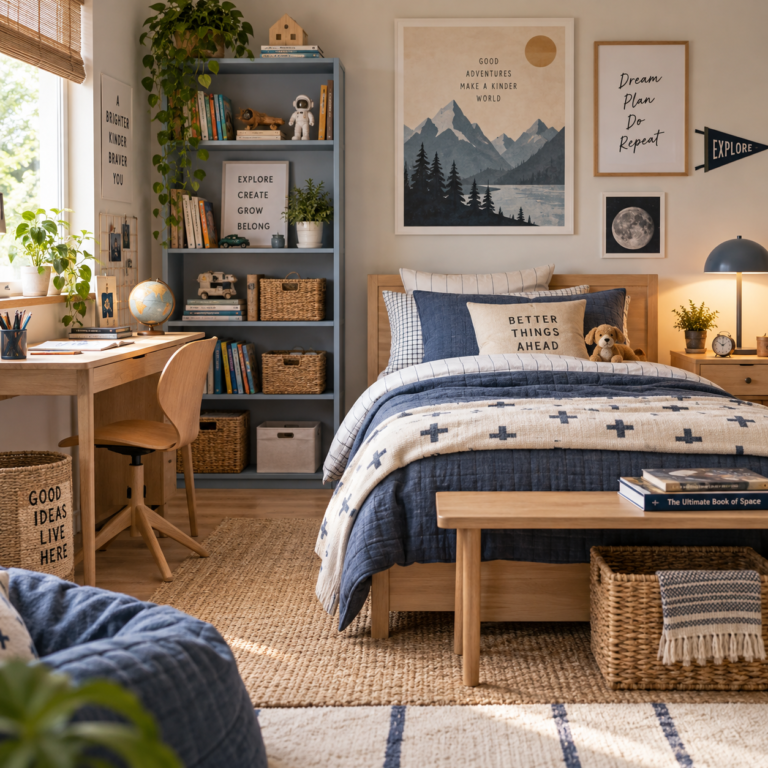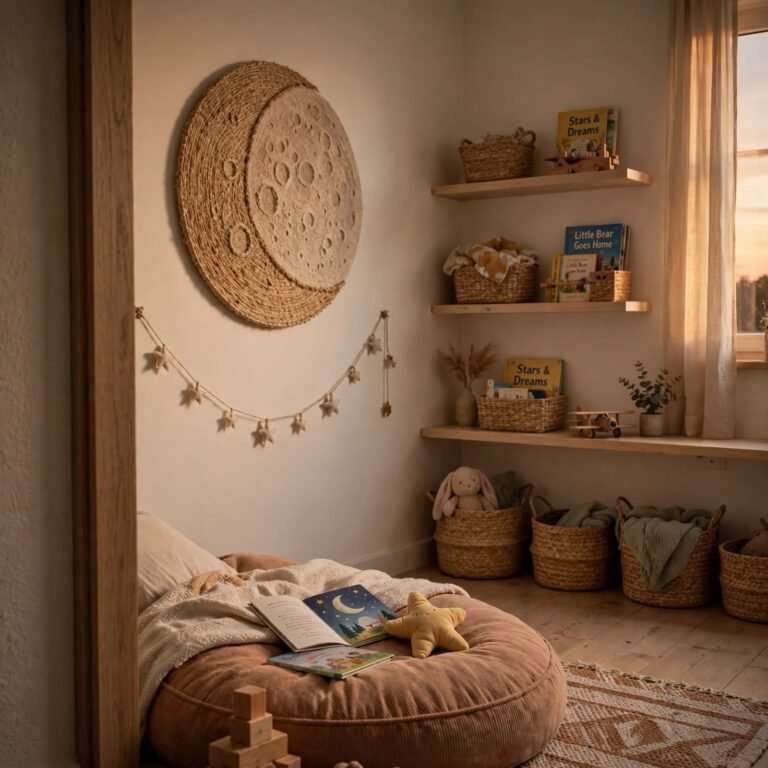

Designing a child’s room is a little different from decorating the rest of the home.
It needs to feel fun enough for a child, calm enough for sleep, practical enough for everyday life, and flexible enough to change as they grow. A room that looks beautiful in a photo but has nowhere to put books, toys, clothes, or school supplies can quickly become frustrating to live with.
The good news is that a stylish kids’ room does not need complicated furniture, an elaborate theme, or every wall filled with decoration.
The most successful spaces usually start with a simple foundation and add personality through elements that are easy to change: wall art, bedding, rugs, baskets, books, lighting, and smaller accessories.
If you are planning a new bedroom or simply refreshing an existing one, these kids’ room design ideas can help you create a space that feels playful, organized, and comfortable without becoming visually overwhelming.
1. Start With a Calm, Flexible Base
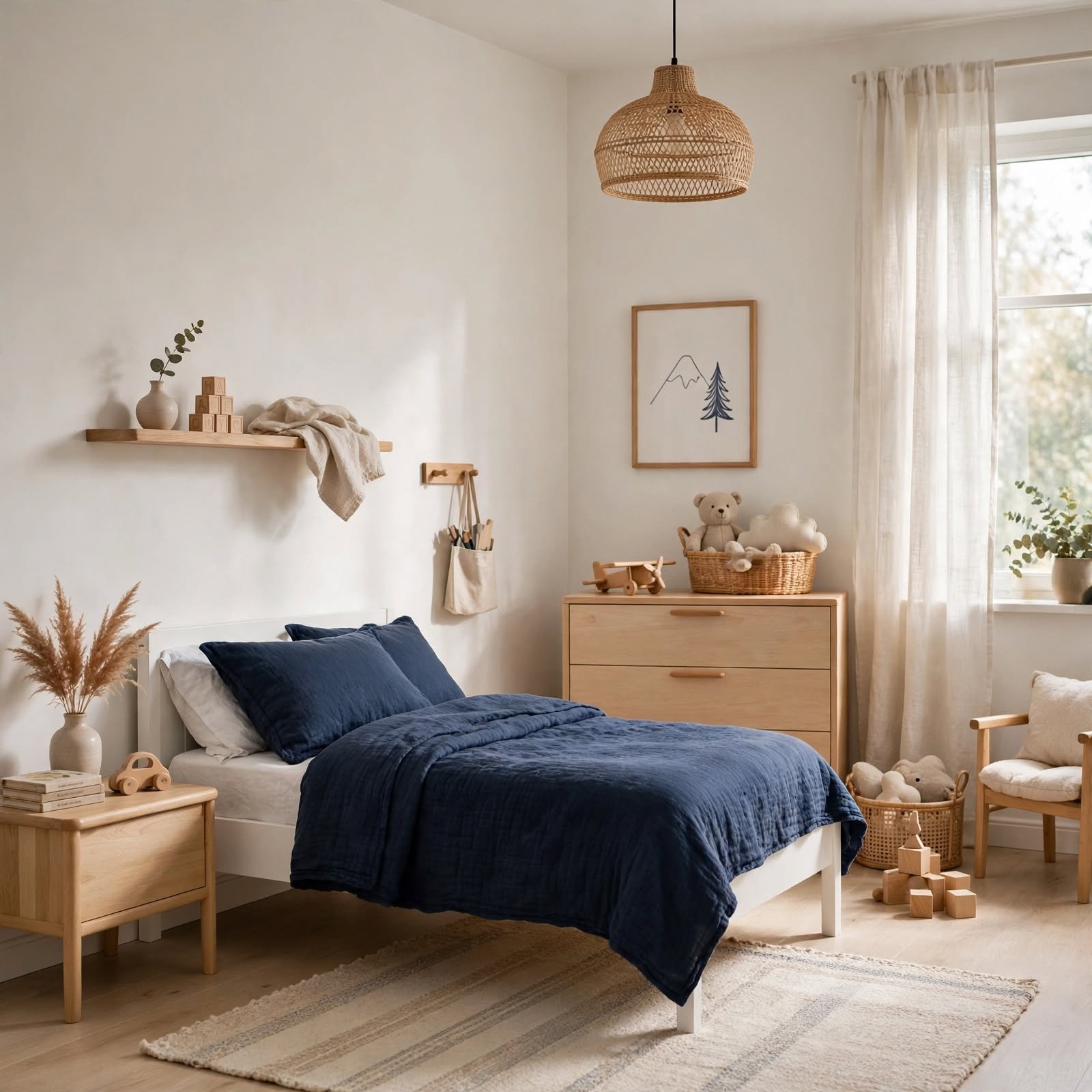
One of the easiest ways to create a kids’ room that lasts is to keep the largest elements relatively simple.
Walls in soft white, warm cream, muted blue, gentle green, pale gray, or another calm color create a backdrop that can work with many different interests over time.
Instead of turning the entire room into a dinosaur, ocean, or space-themed environment, let those interests appear in smaller layers.
For example, a space-loving child might have:
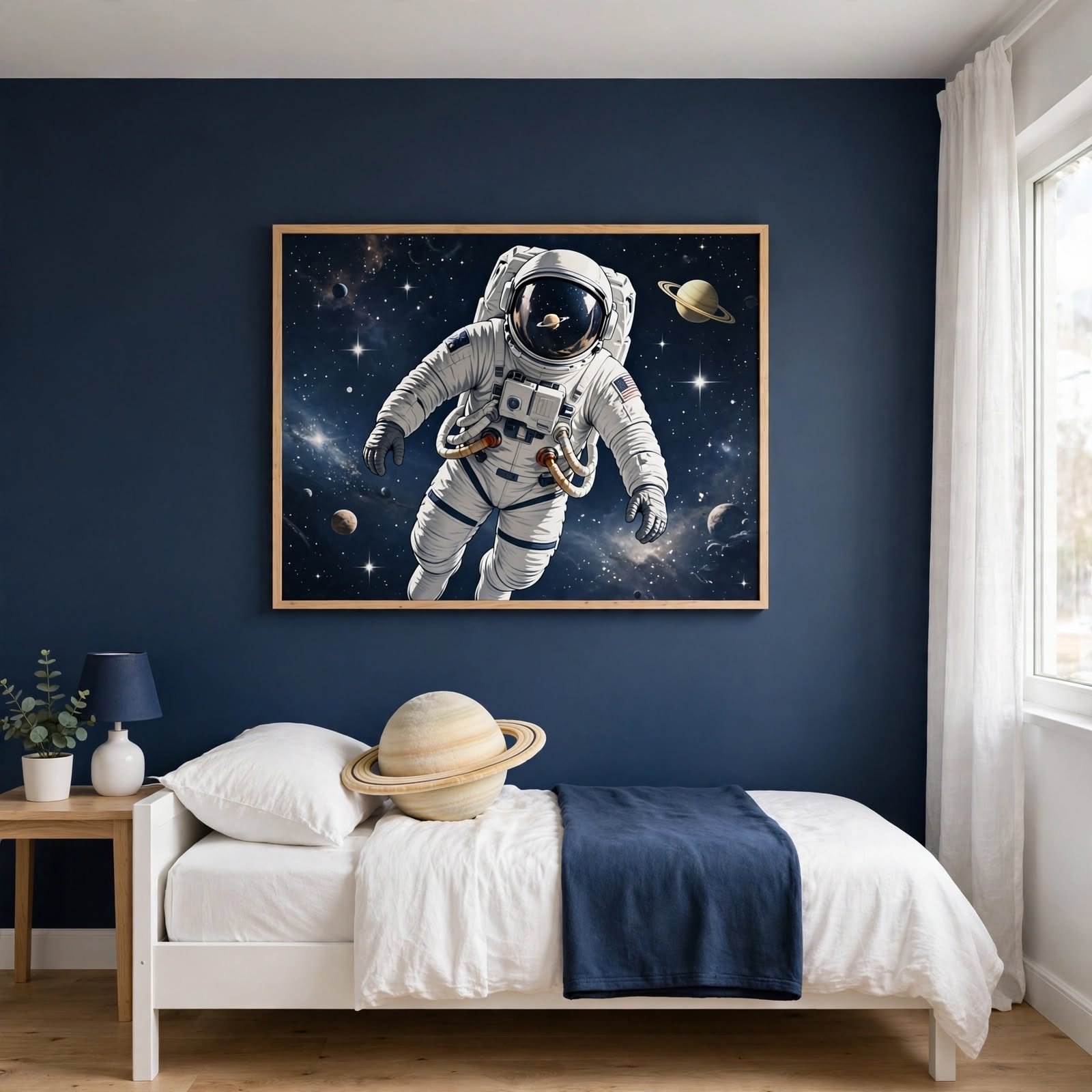
- astronaut wall art
- navy bedding
- a planet-shaped cushion
- a few space-themed books
- small decorative stars
The room still clearly reflects what the child loves, but those pieces can be changed later without repainting or replacing expensive furniture.
This approach is especially useful because children’s interests can change surprisingly quickly.
A room designed around a flexible foundation can move from dinosaurs to space, or from animals to sports, with just a few thoughtful updates.
2. Give Every Part of the Room a Purpose
Even a relatively small bedroom can feel more organized when different activities have their own place.
You do not necessarily need physical dividers. Instead, think of the room as several small zones.
You might have a:
Sleep zone around the bed.
Play zone with an open section of floor and accessible toy storage.
Reading zone with books, cushions, or a small chair.
Creative or study zone with a desk or table as the child gets older.
These areas can overlap, particularly in a small bedroom.
A rug beside the bed might become the play area during the day. A small table might begin as a drawing station and later become a homework desk.
The important part is that the layout supports what the child actually does in the room.
Before buying more furniture, look at how the room is currently used. Sometimes moving one dresser or changing the location of a bookshelf can improve the room more than adding anything new.
3. Keep Everyday Storage Within a Child’s Reach
Storage is often approached as a way to hide everything.
In a child’s bedroom, it can do something more useful: help children manage some of their belongings independently.
Keep frequently used items lower in the room.
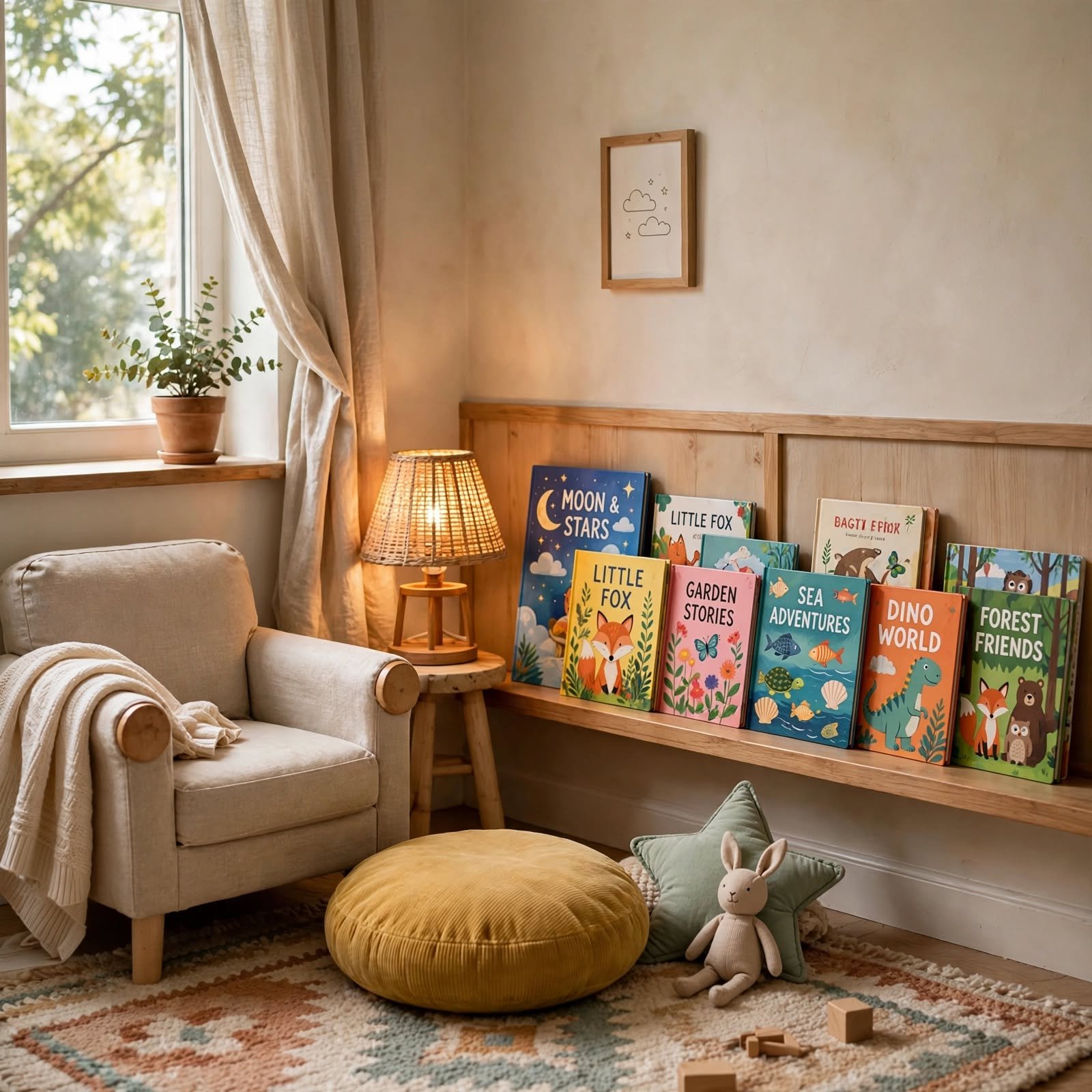
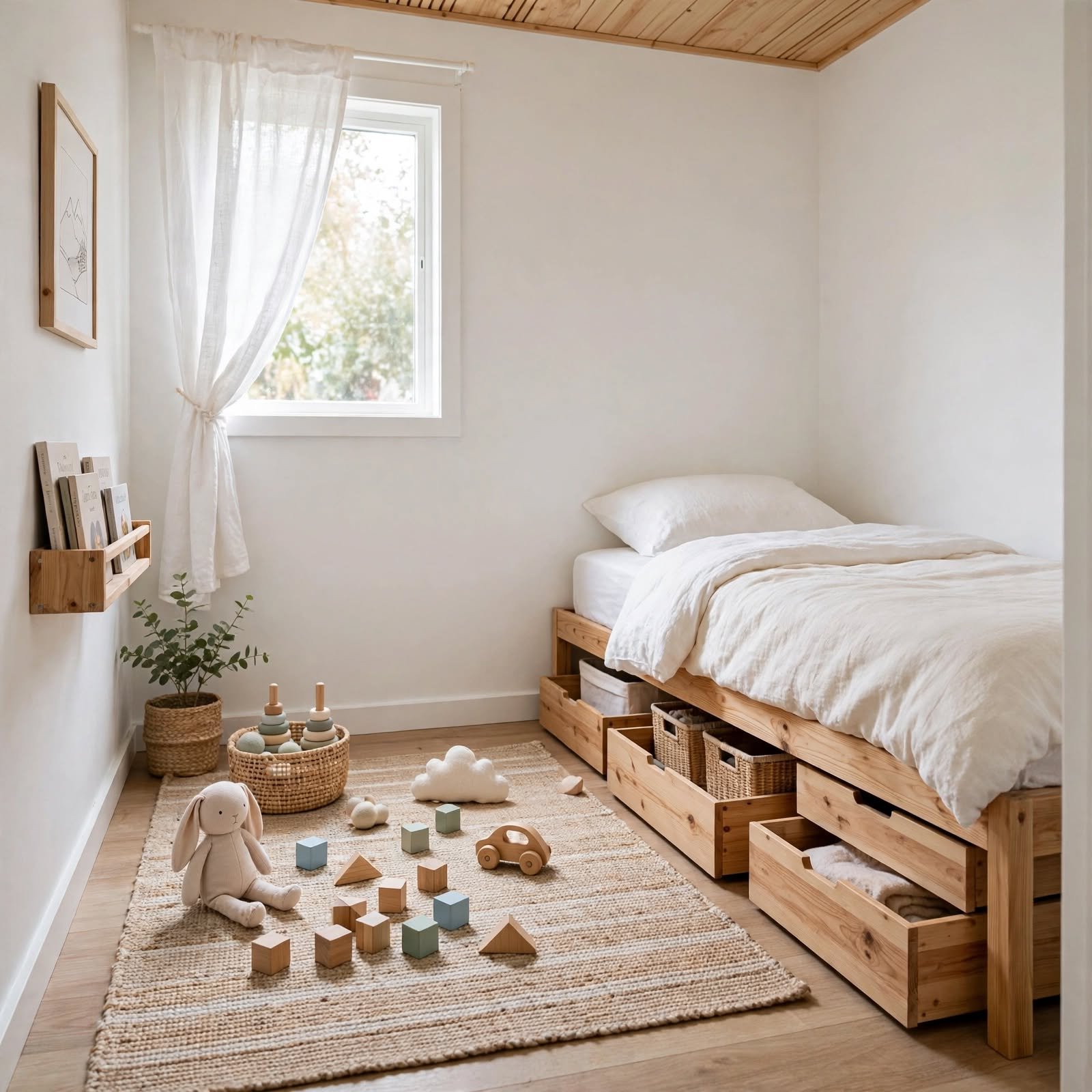
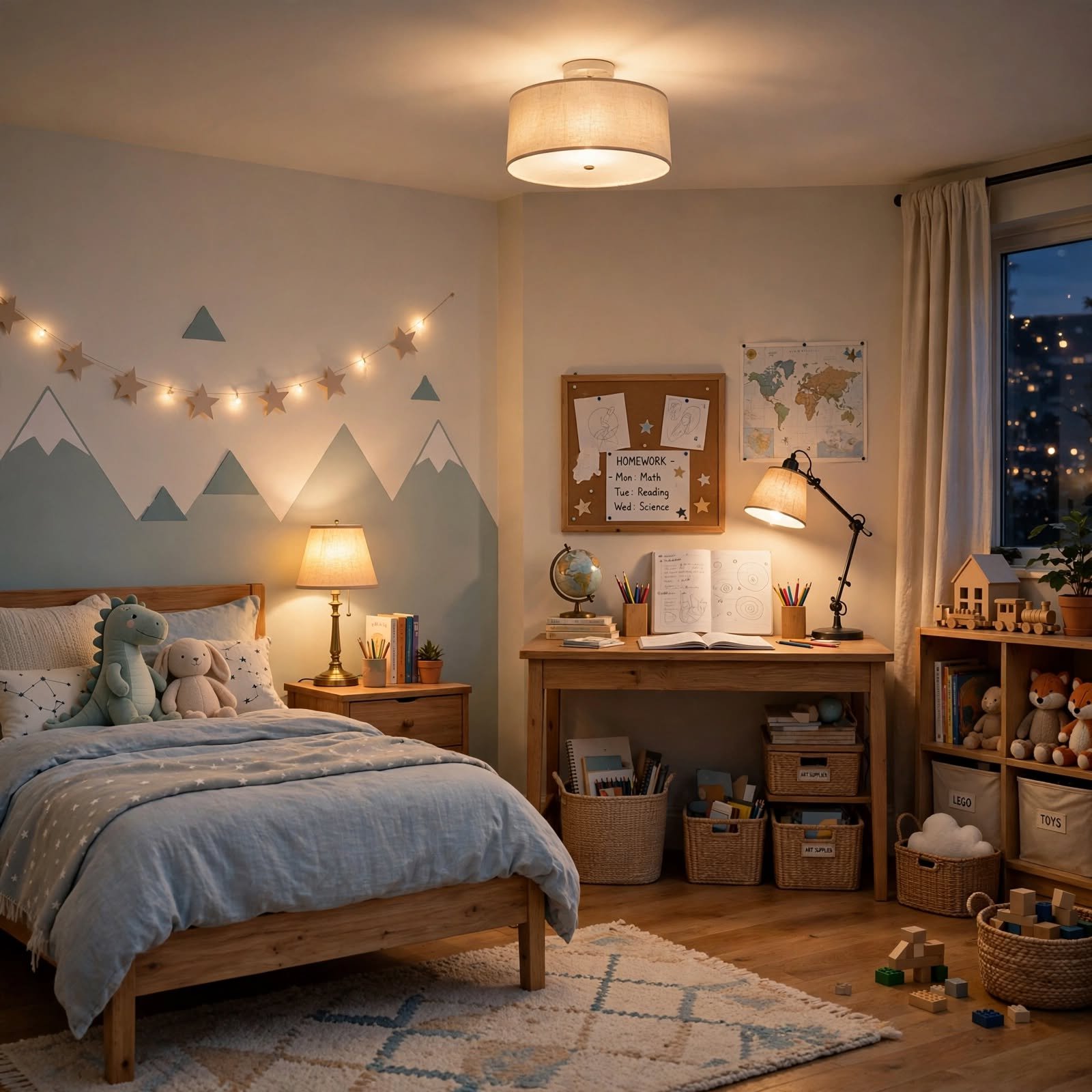
Low baskets, bins, book ledges, cubbies, and drawers can make it easier for children to reach toys, books, and everyday supplies without constantly needing adult help.
Less frequently used belongings can go higher.
This creates a simple storage hierarchy:
Lower storage: things the child uses regularly.
Upper storage: seasonal items, extra bedding, keepsakes, or things that require adult access.
Try not to fill every wall with storage simply because space is available.
Too many shelves, baskets, hooks, and containers can make a room feel busier rather than more organized.
A few storage areas with clearly defined jobs are usually easier to maintain.
4. Leave Some Open Floor Space
It is tempting to place furniture along every available wall, especially in a small bedroom.
But open space is useful too.
Children often use the floor for activities that are difficult to plan for: building blocks, puzzles, toy animals, drawing, pretend play, or simply spreading out books.
You do not need a dedicated playroom-sized area.
Even one uncluttered section of floor can make a bedroom feel much more usable.
When planning the layout, ask whether every piece of furniture needs to be there.
A bedroom may work better with:
- one smaller nightstand instead of two
- a narrow bookshelf rather than a deep bookcase
- storage beneath the bed
- wall-mounted book ledges
- a compact desk instead of a large workstation
The goal is not to fit the maximum amount of furniture into the room.
It is to create enough furniture for the room to function while still leaving space for the child who uses it.
5. Use Wall Art to Add Personality Without Adding Clutter
Walls are one of the easiest places to introduce personality because they do not take away valuable floor space.
A carefully chosen piece of kids’ wall art can establish the mood of the room without requiring an entire themed decorating scheme.
For example:
A rocket and planet print can give a simple blue bedroom a sense of adventure.
Ocean artwork can introduce soft blues and a calm underwater feeling.
Dinosaur artwork can add playful character to an otherwise neutral space.
The key is restraint.
You do not need artwork on every empty wall.
One substantial piece above a bed, dresser, reading corner, or low storage unit can often have more visual impact than many small decorations scattered throughout the room.
This is also one of the easiest parts of the bedroom to update as a child grows.
Think About Scale Before Choosing Wall Art
Artwork should feel connected to the furniture below it rather than floating alone on a large wall.
A very small picture above a wide bed can look lost. At the same time, an oversized piece squeezed into a narrow area can make the room feel crowded.
Before purchasing artwork, measure both the wall and the furniture beneath it.
For a larger blank wall, one larger canvas may create a cleaner result than a collection of many small pieces.
6. Layer the Lighting
A child’s bedroom usually needs more than one type of light.
A bright central ceiling light might work well when getting dressed or cleaning the room, but it can feel harsh during bedtime.
Think instead about several layers.
General lighting
This provides overall illumination for the room.
Task lighting
A desk lamp or reading light helps with homework, drawing, crafts, or reading.
Soft evening lighting
A bedside lamp or other gentle light can make the transition toward bedtime more comfortable.
Whenever possible, position desks and reading areas where they can also benefit from natural daylight.
Window treatments should provide enough privacy and light control without making the room unnecessarily dark during the day.
Good lighting is not only decorative. It helps the room adapt to different activities from morning until bedtime.
7. Choose Furniture That Can Grow With the Room
Children grow quickly, which makes highly age-specific furniture less practical over the long term.
Whenever possible, choose major pieces with simple shapes and finishes that could still work several years from now.
A straightforward wooden or white dresser, for example, can fit into many different room styles.
The same is true of:
- bookshelves
- desks
- nightstands
- storage units
- bed frames
Personality can come from the easier-to-change layers around them.
This does not mean every children’s bedroom has to look minimalist or adult.
It simply means you can separate the room into two categories.
Things that should last: furniture, flooring, major storage and basic lighting.
Things that can change: artwork, bedding, pillows, rugs, toys and decorative accessories.
That distinction can make future room updates much easier.
8. Create a Small Reading Corner
A reading corner does not require a large room or special furniture.
Sometimes all it needs is a little unused corner, a few books, comfortable seating, and good light.
Depending on the child’s age and available space, you might use:
- a small armchair
- a floor cushion
- a soft rug
- low book ledges
- a compact bookshelf
- a lamp nearby
Keep at least some books visible rather than placing everything inside closed cabinets.
Book covers add color naturally and make favorite books easier to discover.
A reading corner can also double as a quiet space when the rest of the bedroom is designed for more active play.
9. Add Color Through Smaller Layers
A colorful kids’ room does not have to mean brightly colored walls.
Color can come from many smaller elements:
- bedding
- artwork
- rugs
- curtains
- books
- cushions
- baskets
- toys
This makes the room easier to balance.
For example, start with warm white walls and natural wood furniture. Add navy and medium blue through the bedding, then introduce smaller touches of yellow through artwork or accessories.
The result can still feel playful without every surface competing for attention.
A useful way to think about color is to let one or two colors lead while the rest support them.
This keeps the room visually connected even when it contains plenty of children’s belongings.
10. Let the Child’s Interests Inspire the Room — Without Taking It Over
A child’s bedroom should feel like their space.
That means their interests matter.
If they love space, dinosaurs, sea animals, racing cars, flowers, animals, or anything else, those interests can become a wonderful starting point for decorating.
But there is a difference between using a theme and building the entire room around a theme.
Imagine a space-themed bedroom.
One approach might use galaxy wallpaper, rocket-shaped furniture, planet bedding, star curtains, astronaut lamps, space rugs, ceiling planets, and decorations covering nearly every wall.
Another approach might begin with a calm navy-and-white bedroom and add a beautiful astronaut canvas, a few planet details, and space-themed bedding.
Both rooms communicate the same interest.
The second room simply gives that interest more room to breathe.
It is also much easier to update later.
That is the approach we love at North & Nook: let a theme inspire the room rather than take over the room.
How Do You Make a Kids’ Room Look Stylish Without Making It Impractical?
Start with the practical decisions first.
Think about:
- where the child sleeps
- where toys are stored
- where books belong
- whether there is space to play
- how the room will be lit
- what the child needs to reach independently
Once those pieces work, add the decorative layer.
This order matters because a beautiful room becomes difficult to enjoy if everyday life constantly works against the design.
You also do not need to hide every toy to create a stylish room.
A kids’ bedroom should still look like a child lives there.
The goal is simply to give belongings a logical place and leave enough visual breathing room that the things you intentionally chose — artwork, textiles, colors, and furniture — can still be seen.
How Can You Make a Small Kids’ Room More Functional?
In a small bedroom, prioritize floor space and use vertical space selectively.
Consider:
- under-bed storage
- shallow wall shelves
- book ledges
- hooks behind doors
- taller storage units for less frequently used items
- multifunctional furniture
- a smaller desk
- fewer but larger storage containers
Avoid adding storage systems everywhere.
If toys still cover the floor despite having shelves on every wall, adding another shelf probably will not solve the problem.
Instead, review what needs to remain in the room and where it is actually used.
Sometimes the best small-room solution is simply reducing the number of objects competing for the same space.
What Should You Invest in First When Designing a Child’s Bedroom?
If you are working within a budget, spend first on the pieces that affect everyday function and are difficult to replace frequently.
That may include:
- A suitable bed and mattress
- Reliable storage
- Good lighting
- A practical desk or work surface when needed
- Durable basic furniture
Decor can be built gradually.
Artwork, bedding, cushions, baskets, and other smaller pieces can transform the character of the room without requiring a full renovation.
That is especially useful when a child develops a new interest.
You can refresh the bedroom rather than redesign it from the beginning.
Don’t Forget Safety When Planning the Room
Style should always come after basic safety.
Tall or heavy furniture such as bookcases and dressers should be properly secured where appropriate, particularly in rooms used by younger children.
Keep electrical cords managed and consider whether furniture placement creates obvious climbing opportunities.
Also think about how the room changes from a child’s point of view.
Something that appears safely out of reach today may become accessible surprisingly quickly as a child grows.
Following the manufacturer’s installation instructions and periodically checking furniture, fittings, and anchors should be part of maintaining the room.
A Kids’ Room Should Be Able to Change
Perhaps the most useful design decision you can make is accepting that the room will not stay exactly the same.
Children grow.
Their routines change.
Their toys change.
They begin school.
Their collections of books grow.
Favorite colors and interests come and go.
A well-designed room makes those changes easier rather than fighting them.
Keep the foundation flexible. Give everyday belongings practical places to live. Leave some open space. Add personality through things that are simple to update.
The result can still feel imaginative and distinctly theirs — without needing to redesign the entire room every few years.
Designing the North & Nook Way
At North & Nook, we believe children’s spaces can be playful without becoming overwhelming.
A favorite theme can spark an entire room, but it does not need to appear on every surface.
Sometimes one thoughtfully chosen piece of wall art is enough to begin the story.
A rocket above the bed.
An astronaut near a reading corner.
A peaceful ocean scene beside a bookshelf.
Those details can give a child something to imagine while still allowing the rest of the room to feel comfortable, balanced, and easy to live with.
Because the best kids’ rooms are not simply decorated for today.
They leave a little room for whatever comes next.